What if a factory could run entirely through a computer screen—no forklifts, no floor staff, no waiting for real-world testing?
This is now possible thanks to digital twins in manufacturing. These dynamic virtual systems mirror every detail of a production line, enabling companies to monitor, plan, and improve operations without physical movement or human touch.
What Are Digital Twins in Manufacturing?
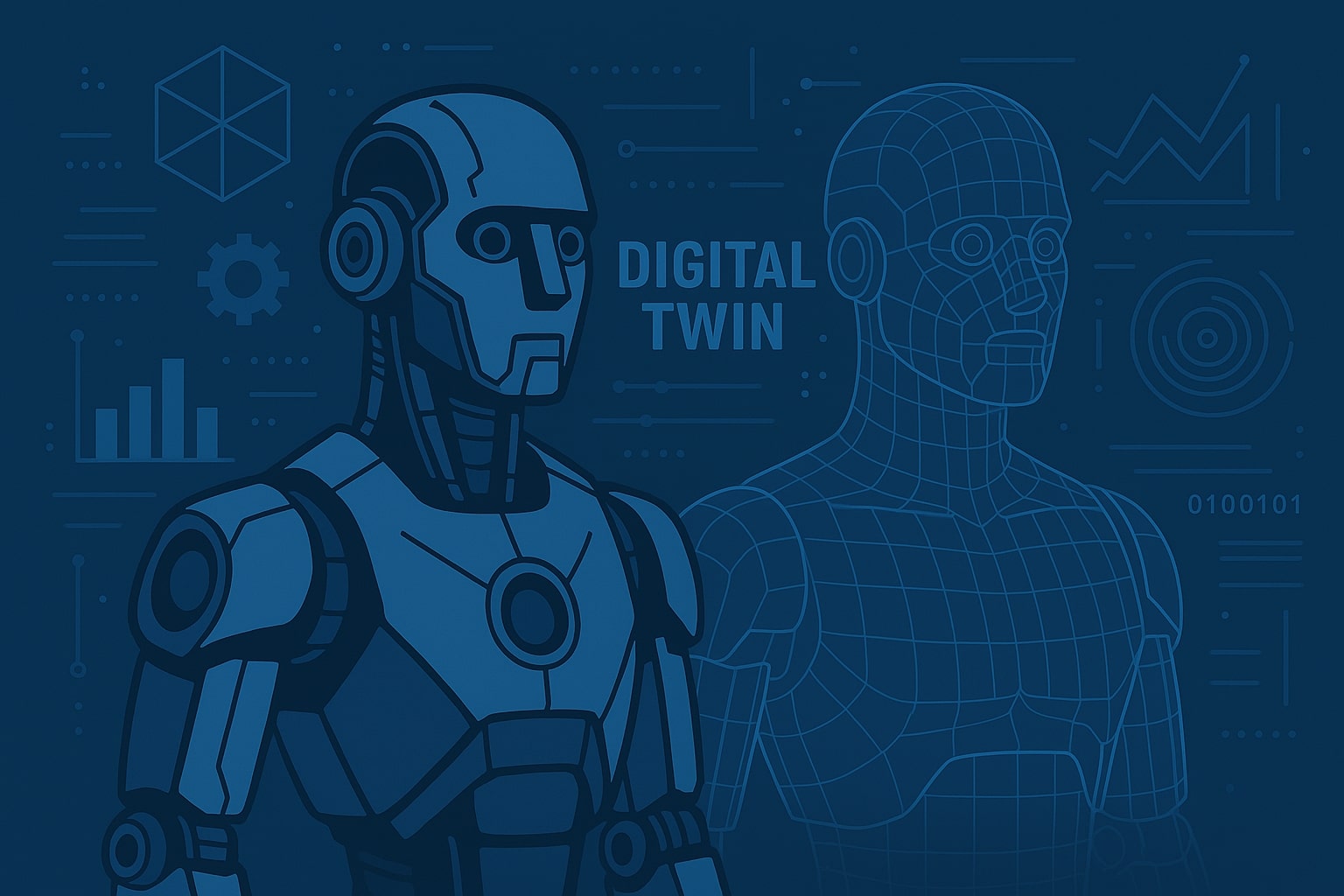
A digital twin is a live, data-fed digital replica of a physical system. In manufacturing, this includes robotics, machinery, workflow, even worker motion. These twins are powered by data from IoT sensors, automation tools, and cloud platforms, offering real-time control over the production process without needing on-ground intervention.
How Digital Twins Replace the Need for Physical Vehicles
- Simulated Logistics
Companies simulate how materials move through a factory using virtual AGVs (automated guided vehicles). This planning prevents congestion and reduces physical infrastructure costs. - Factory Layouts in 3D
Teams build and test different layouts using virtual models no forklifts required to rearrange anything on the floor. - Remote Management
Operators adjust production settings from anywhere using twin dashboards cutting out daily vehicle rounds and shift-based inspections.
How Digital Twin Systems Are Replacing Humans at the Machine
This shift isn’t just about fewer forklifts it’s about fewer hands at the machine. Here’s how:
- Automation of Repetitive Tasks
Tasks like tightening bolts, packaging items, and moving parts once done manually are now optimized and automated through the twin, which controls robotic arms and smart conveyors. - Predictive Maintenance
Instead of having humans inspect machines daily, the twin tracks vibrations, wear patterns, and heat signatures to alert maintenance teams before breakdowns occur. - Virtual Workforce Monitoring
In many cases, human operators are replaced with digital avatars in simulations that perform the same task and suggest improvements.
🔗 For an even deeper dive into the future of automation-driven decision-making, check this Agentic AI article, which outlines how digital agents are managing entire workflows autonomously.
What Does This Mean for the Workforce?
- Upskilling Required: Routine machine operators must now learn how to interact with digital interfaces and twin systems.
- Human Roles Shift: Expect more demand for remote monitoring engineers, systems integrators, and data scientists.
- Less Physical Risk: With fewer people on the floor, workplace injuries drop significantly.
Rather than eliminating jobs completely, digital twins shift human labor from physical action to digital strategy and supervision.
Real-World Impact: GE and Siemens
GE builds jet engine lines using twins before installing real-world equipment, cutting launch time by 40%. Siemens uses twins in its smart factories to continuously improve processes without stopping production.
Cost Breakdown
| Twin Application | Estimated Investment |
|---|---|
| Basic Simulation Setup | $10,000 – $50,000 |
| Full Process Automation | $100,000 – $500,000+ |
| AI + Digital Twin Integration | $500,000+ |
Digital twin platforms such as Siemens NX, PTC ThingWorx, and Ansys Twin Builder offer scalable options based on factory size and complexity.
Conclusion
Digital twins are reshaping manufacturing by eliminating reliance on physical vehicles and even replacing humans in routine roles. Factories now run simulations, perform maintenance, and optimize operations virtually. This reduces cost, increases safety, and opens up new roles focused on oversight, analytics, and systems control.
This is no longer future talk it’s happening right now. From major brands to rising startups, manufacturers who adopt digital twins are setting the standard for the next era of industry.
FAQs
Q: Will digital twins completely remove human jobs?
Not entirely. While repetitive and hazardous jobs may be automated, new roles are being created in data analysis, AI oversight, and remote systems management.
Q: Are digital twins cost-effective for small factories?
Yes. Entry-level setups for logistics or monitoring can start as low as $10,000 and still offer measurable ROI within months.
Q: What kind of skills are needed to manage a digital twin system?
Knowledge of industrial automation software, IoT devices, basic data analytics, and some familiarity with CAD or simulation tools is ideal.
For Latest Innovation and Manufacturing Updates
👉 Follow Startup Pill’s Innovation Section
👉 Stay updated with new technology transformations at Startupill.com
👉 Curious about AI’s next move? Read: Agentic AI and the Next 5 Years
Want to understand how to launch a tech-based venture? Read how to build a startup in 2025