
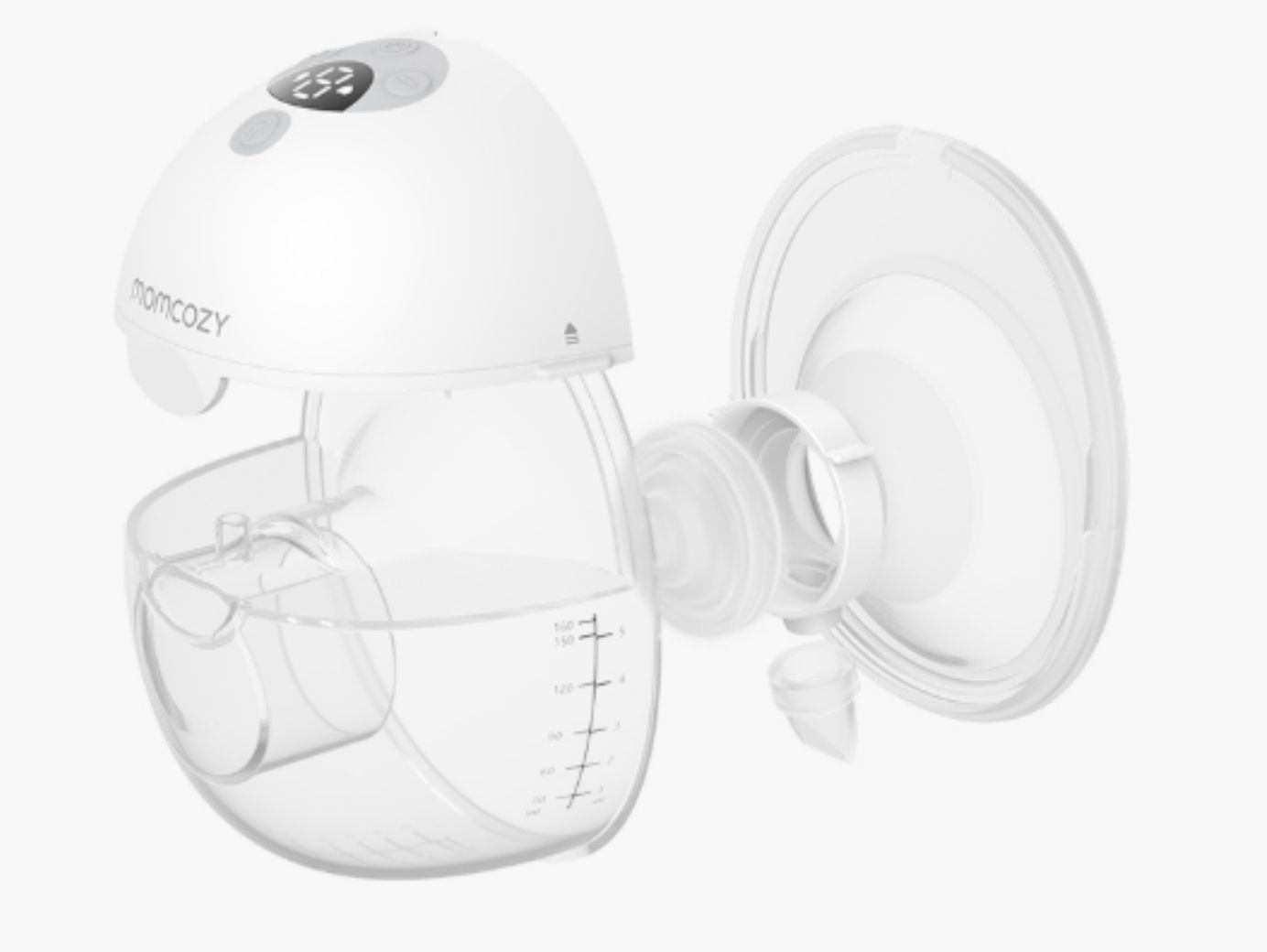
For many moms, pumping can feel like a mix of relief and frustration a necessity that shouldn’t hurt but often does. If you’ve ever winced while pumping, you’re not alone. The truth is, pumping should never be painful when done correctly with the right equipment and setup.
Using a comfortable breastfeeding pump can make all the difference in achieving pain-free pumping sessions. Whether you’re exclusively pumping or just building a stash for your baby, comfort and efficiency go hand in hand. This guide breaks down everything you need to know to make each session smooth, safe, and stress-free.
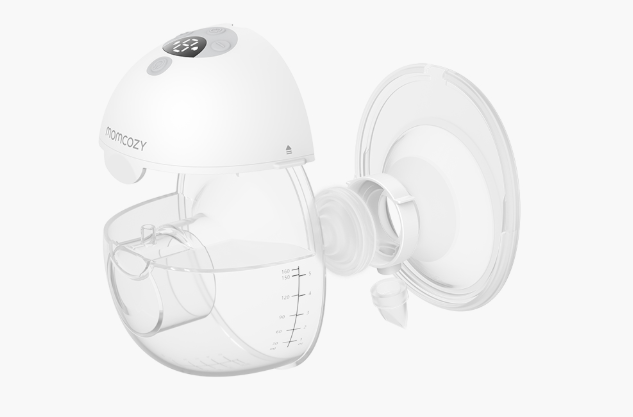
Why Pumping Should Never Hurt
Pumping is meant to mimic a baby’s natural sucking motion — gentle, rhythmic, and comfortable. If it hurts, something isn’t right. Pain can stem from several factors, and identifying the root cause early is key to preventing long-term nipple trauma or decreased milk output.
Common causes of pain while pumping include:
- Using the wrong flange size (too small or too large).
- Excessive suction settings that irritate the nipples.
- Dry or cracked skin from overuse or poor lubrication.
- Pumping for too long without breaks.
- Misaligned nipples in the flange tunnel.
Why it matters:
When pumping hurts, your body responds by releasing stress hormones that inhibit milk letdown. That means less milk, more frustration, and potential breast tissue damage. Comfort isn’t a luxury — it’s essential for maintaining a healthy, consistent milk supply .
Flange Fit: The #1 Factor for Comfort
Your flange size is the most critical piece of the pain-free pumping puzzle. A flange that fits well should feel snug but not tight, allowing your nipple to move freely without pulling in excess areola tissue.
How to determine the right flange size:
- Measure your nipple diameter after pumping or breastfeeding (use a ruler or sizing tool).
- Add 2–4 mm to that measurement to find your ideal flange size.
- Check during use: The nipple should move smoothly in the tunnel, with no rubbing or whitening at the tip.
Signs your flange size is wrong:
- Too small: Pain, pinching, friction, or nipple blanching (turning white).
- Too large: Excess areola pulled in, inefficient suction, or tugging sensations.
Pro tip: If you’re using a comfortable breastfeeding pump that offers multiple flange sizes, experiment to find your best fit. Some moms even need different sizes for each breast — and that’s completely normal.
How to Optimize Your Pump Settings for Efficiency
Your breast pump’s settings play a big role in how comfortable and productive each session feels. Pumping should replicate a baby’s natural feeding pattern quick, light stimulation at first, then deeper, slower suction once letdown begins.
Ideal steps for setting up:
- Start with the stimulation phase: Short, rapid suction to trigger letdown.
- Switch to expression mode: Once milk begins to flow, use slower, stronger pulls.
- Adjust suction gradually: Increase suction only to the highest comfortable level — not the maximum your pump allows.
- Maintain rhythm consistency: Changing settings too frequently can confuse your body’s response.
Efficiency tips:
- Warm your breasts with a compress before pumping to improve flow.
- Gently massage your breasts during sessions to help with drainage.
- Relax — listen to calming music or look at photos of your baby to encourage letdown.
Remember: stronger suction doesn’t equal more milk. Comfort and relaxation are what truly drive efficient pumping.
Simple Techniques for Pain-Free Sessions
Small tweaks to your routine can dramatically improve comfort. From positioning to prep, here’s how to make every session feel better:
Before pumping:
- Wash your hands and ensure all parts are clean and dry.
- Apply a small amount of nipple balm or food-grade lubricant to reduce friction.
- Make sure your nipples are centered in the flange tunnel before turning on the pump.
During pumping:
- Maintain an upright but relaxed posture.
- Avoid pressing the flanges too tightly against your breasts — let the suction do the work.
- Use a hands-free bra to keep flanges in place and reduce arm strain.
- Take short breaks if your nipples feel sore or sensitive.
After pumping:
- Wipe off any residual milk and reapply nipple cream to prevent dryness.
- Store milk immediately in sterilized bottles or bags to maintain freshness.
- Allow your breasts a few minutes to air dry before covering to prevent irritation.
Bonus tip: Try switching to a portable or wearable breast pump for flexibility and comfort during longer days. Mobility can reduce stress — and less stress equals more milk.
Troubleshooting Common Causes of Pain
Even with the best setup, discomfort can happen occasionally. Here’s how to identify and fix common issues before they turn into problems:
1. Nipple pain or cracking:
- Check your flange size — incorrect fit is often the culprit.
- Lower your suction level and use a warm compress before pumping.
- Apply lanolin or coconut oil post-session to soothe and heal.
2. Redness or swelling:
- Make sure your pump parts are aligned and assembled correctly.
- Take breaks and use gentle breast massage to improve circulation.
- Avoid pumping too frequently without rest — every 2–3 hours is ideal.
3. Low milk output despite regular pumping:
- Stay hydrated and ensure you’re eating enough calories.
- Add an extra “power pumping” session once a day to boost supply.
- Check your pump’s suction strength — valves and membranes may need replacement.
4. One breast producing less:
- Start sessions on your less-productive side first.
- Massage that side during pumping to stimulate more flow.
- Alternate sides regularly to maintain balance.
5. Emotional stress or exhaustion:
- Stress hormones can hinder milk letdown.
- Try mindfulness or breathing exercises while pumping.
- Set realistic expectations — your worth isn’t measured in ounces.
Key Takeaways for Pain-Free Pumping
- Pain-free pumping starts with a proper flange fit and a comfortable breastfeeding pump designed for your body’s needs.
- Always prioritize comfort over suction strength — stronger doesn’t mean better.
- Consistency, hydration, and relaxation are your biggest allies in maintaining supply.
- If pain persists despite adjustments, consult a lactation consultant to rule out infection, vasospasm, or blocked ducts.
Conclusion
Pumping shouldn’t be something you dread — it should empower you to nourish your baby with ease and confidence. By understanding your body, using the right tools, and following comfort-focused techniques, you can transform your pumping sessions from painful to peaceful.
Investing in a comfortable breastfeeding pump makes all the difference for both efficiency and comfort. With the right setup, you’ll find that pumping can fit seamlessly into your day — pain-free, productive, and perfectly natural.