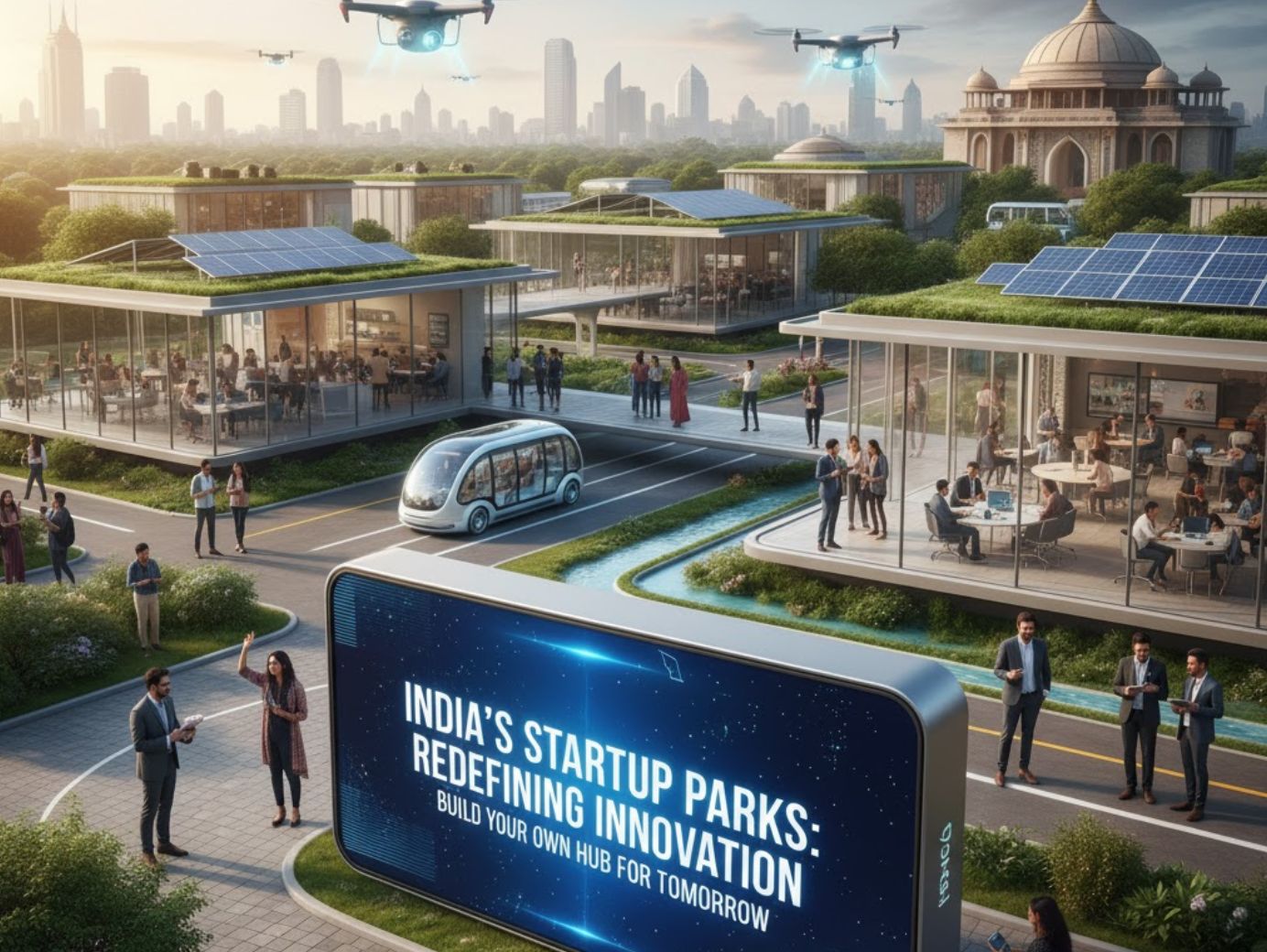

Introduction: Why Startup Parks Are the Future of Innovation
Every thriving startup ecosystem begins somewhere in a small space where ideas collide and innovation takes shape. Across the world, startup park are evolving into the new backbone of entrepreneurship, connecting talent, investors, and infrastructure in one dynamic ecosystem
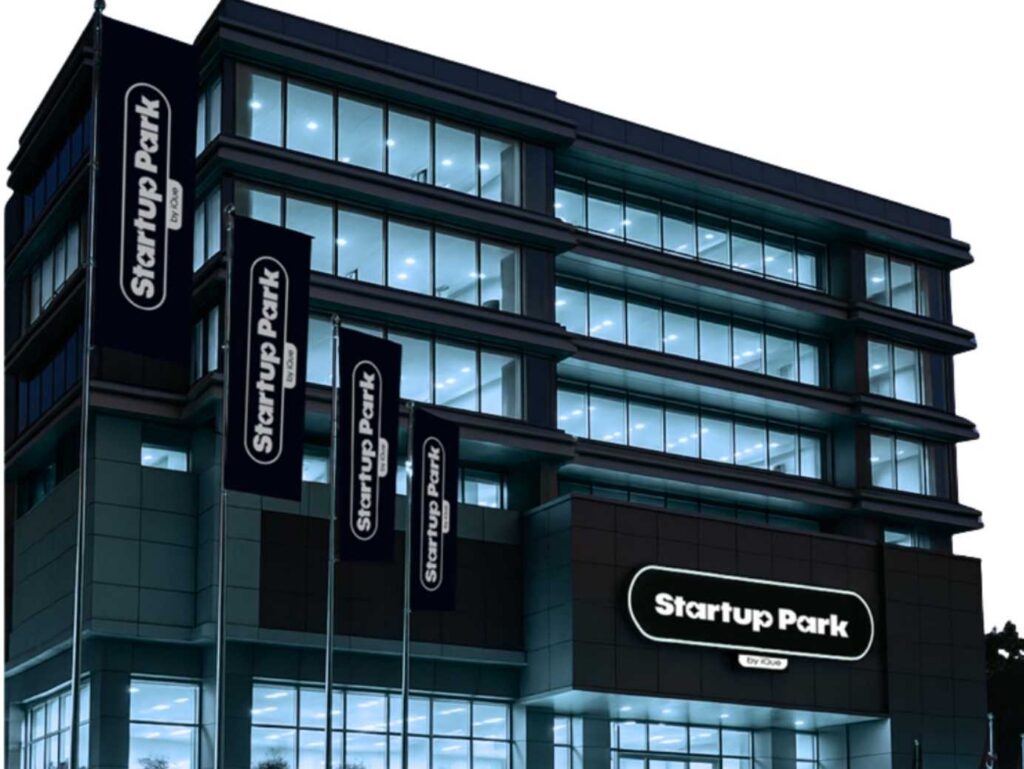
Learning how to build a startup park is no longer just about setting up real estate. It’s about building a sustainable innovation hub that empowers founders, attracts investors, and drives job creation. From the U.S. to Singapore, and from Dubai to India, the rise of startup parks has been reshaping economic growth stories.
So, what does it take to build one?
What kind of investment, partnerships, and planning do you need to bring such a vision to life?
Let’s dive deep.
Table of Contents
Step 1 – Defining the Vision and the Value Proposition
Before pouring concrete, define your purpose. What kind of innovation do you want to enable? A clear and compelling vision will attract both talent and capital.
Ask yourself:
- What industries will my startup park support — AI, fintech, or climate tech?
- Who are the stakeholders — founders, researchers, corporates, or VCs?
- How will this park impact local and global economies?
The best startup parks begin as purpose-driven ecosystems, not profit-driven projects. This purpose sets the tone for design, partnerships, and positioning.
💡 Example: The United States’ “Silicon Slopes” in Utah built its brand on collaboration and affordability — positioning itself as the alternative to Silicon Valley while fostering community-driven innovation.
Read more
iQue Startup Park India 2025: Building the World’s First Comprehensive Startup Ecosystem
Step 2 – Designing the Infrastructure That Inspires Innovation
A startup park’s physical environment can make or break creativity. Design it like a living organism — flexible, human-centric, and collaborative.
Core elements should include:
- Shared co-working and incubation zones
- Innovation labs and prototyping rooms
- Event auditoriums for pitch sessions
- Café spaces and networking zones
- Green, sustainable architecture
The key is balance — between privacy and openness, work and play, business and creativity. The space must encourage serendipitous collaboration, where an investor might meet a coder over coffee and spark a billion-dollar idea.
💬 Global Example: In Singapore’s JTC LaunchPad, more than 800 startups and accelerators thrive under one innovative campus because design fosters daily interaction.
Building a Startup Park means creating a “Perplexity moment” for hundreds of founders—where infrastructure meets intelligence.
👉 Read more: Aravind Srinivas — Perplexity AI Founder
Step 3 – Understanding the Investment Blueprint
Now comes the real question ,how much does it cost to build a startup park?
The investment depends on scale, location, and facilities. Below is a practical breakdown for investors and policymakers.
| Model Type | Size & Focus | Investment Range (INR) | USD Equivalent | Annual Revenue Potential | Funding Sources |
|---|---|---|---|---|---|
| Starter Park (Lite) | 25–30 startups, ~30,000 sq ft; basic labs & co-working | ₹20 – 50 crore | ≈ $2.4 – 6M | ₹5 – 10 crore | Private investors, angels, sponsor partners |
| Growth Park (Mid-Tier) | 100+ startups, event & demo spaces, R&D labs | ₹100 – 300 crore | ≈ $12 – 36M | ₹20 – 30 crore | Private equity, PPP, institutional investors |
| Innovation City (Mega Park) | Multi-phase campus, sector hubs, global collaboration zones | ₹600 crore+ | ≈ $70M+ | ₹50 crore+ | State grants, sovereign funds, multinational VCs |
As per Economic Times, India’s 600-crore startup park model demonstrates how state-private collaboration can multiply ROI and job creation.
Pro Tip: Always factor in sustainability costs early — solar grids, waste management, and smart building systems. They attract ESG investors and reduce long-term operational costs.
Step 4 – Crafting the Business Model and Monetization Strategy
A startup park should generate sustainable revenue while fueling innovation. Rental income is just one stream.
Primary Revenue Streams
- Office, lab, and event rentals
- Membership fees from startups and investors
- Sponsorship from corporates
- Government innovation grants
- Accelerator equity (1–3% in resident startups)
Advanced Models
- Launch hackathons and IP-sharing programs
- Offer branding partnerships for corporate R&D wings
- Sell data-driven insights and ecosystem reports
The future is hybrid. The world’s best startup parks — from Berlin to Toronto — are building revenue ecosystems that blend real estate with venture investment.
Step 5 – Building Collaborative Partnerships
Building a startup park is a team sport. You need a coalition of collaborators ,public, private, academic, and corporate.
Strategic Partnership Pillars:
- Government bodies: for land, subsidies, and regulatory ease
- Universities: for research collaboration and talent flow
- Corporates: for mentorship and innovation labs
- Investors & VCs: for access to early-stage funding
- Service providers: for legal, IP, and HR support
Successful parks create governance councils — combining startup founders, investors, and policymakers. This ensures transparency and attracts consistent funding.
Case Study: Estonia’s e-Residency model integrated government and private tech sectors seamlessly, driving hundreds of global startups into its innovation parks.
Step 6 – Marketing, Branding, and Community Building
A startup park without a brand is just a real estate project. You’re not selling space; you’re selling a dream of innovation.
Smart Branding Strategies:
- Develop a digital-first identity with a powerful story.
- Host flagship events, hackathons, and demo days.
- Build a strong online community through social media storytelling.
- Engage influencers and startup media platforms (like Startup Pill and Best Startup India) for visibility.
Remember: Community drives retention. Once startups feel emotionally attached to your ecosystem, they become your greatest ambassadors.
Step 7 – Measuring Impact and Scaling for the Future
After your park launches, success depends on continuous measurement. Use data analytics to track performance and improve scalability.
Key KPIs:
- Startup occupancy rate
- Funding raised by resident startups
- Number of jobs created
- Investor participation in events
- Ecosystem partnerships formed
Scale Smart:
- Expand regionally through franchise models.
- Create sector-specific extensions — HealthTech Park, FinTech Hub, Climate Lab.
- Integrate AI for smart campus management and predictive maintenance.
This data-driven evolution keeps your park competitive and future-proof.
Sustainability: The Heart of Every Modern Startup Park
In 2025, no startup park is complete without a sustainability blueprint.
From solar energy to zero-waste architecture, every innovation hub must align with global ESG goals.
Eco-conscious design not only reduces costs but also improves your eligibility for green funding and international partnerships.
For example, Dubai’s Sustainable City and Sweden’s Hammarby Sjöstad are living case studies of how green infrastructure fuels economic and innovation growth.
Turning Vision into Value
Building a startup park is not just an investment project — it’s a movement. You’re creating a community where ideas become impact and founders become leaders.
If you’ve ever wondered how to build a startup park that truly transforms your city, start with purpose, plan with strategy, and scale with partnerships.
Your next step isn’t just construction it’s creation.
1.What is a Startup Park?
A Startup Park is a purpose-built innovation zone where entrepreneurs, investors, and incubators collaborate. It provides physical infrastructure, mentorship programs, funding networks, and R&D labs—making it a one-stop ecosystem for startups to grow faster.
2.How long does it take to establish a Startup Park?
Typically, it takes 18 to 36 months to develop and operationalize a Startup Park covering design, construction, partnerships, and funding setup. Fast-track projects backed by private investors or government grants can be completed in under two years.
3.What are the major benefits of setting up a Startup Park?
Building a Startup Park creates long-term economic and social value:
Boosts regional entrepreneurship and job creation.
Attracts global venture capital and angel investors.
Promotes technological innovation and skill development.
Strengthens the country’s position as a startup hub.
4.How can founders collaborate inside a Startup Park?
Startup Parks operate as co-creation environments. Founders can:
Share workspace and resources with other startups.
Access mentorship from industry leaders.
Pitch to investors and VCs in demo sessions.
Join R&D labs for product testing and innovation.
5.What are some global examples of Startup Parks?
Silicon Oasis (Dubai): Government-backed tech hub integrating AI, IoT, and smart city initiatives.
Station F (France): The world’s largest startup campus hosting 1,000+ startups.
CyberSpark (Israel): Focused on cybersecurity and defense innovation.
Startup Village (Russia): A public-private innovation hub.
India’s initiative follows a similar model—combining government support, private investment, and university collaboration.
Why Big Tech Giants Are Targeting India
Global tech powerhouses from Microsoft to Googleare doubling down on India because it’s no longer just a market; it’s a strategic innovation base.
With a fast-growing digital economy, deep engineering talent, and policy-backed infrastructure like Startup Parks, India offers the visibility, scale, and talent pipeline that big tech needs to fuel its next wave of AI-driven growth.
For collaboration insights and startup ecosystem trends, visit Best Startup India the hub for emerging founders and innovation leaders.
👉 Visit Startup Pill to explore guides, tools, and founder insights built for bold startups ready to grow smarter not harde